
Bio-based building materials in the UAE: turning date seeds into solid surface.

Bio-based building materials have moved from experimental to mainstream in global architecture and construction. Timber, straw, hempcrete, cork and mycelium all now appear in real projects, not just research papers and exhibitions. For the UAE and the Gulf, the landscape is different. The region’s defining agricultural resource is the date palm, and with it, the date seed as an abundant under-used material.
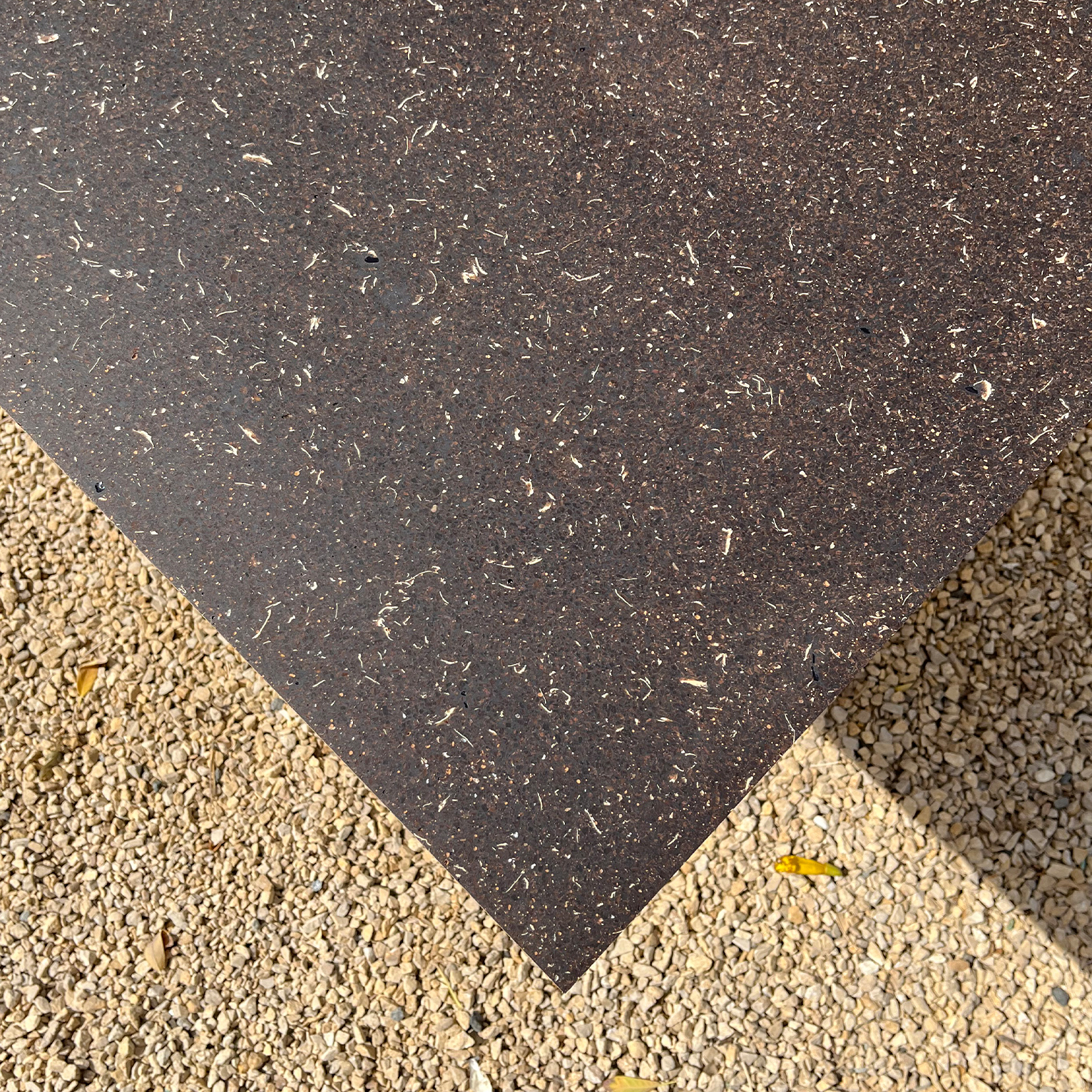
ARDH Collective’s Dateform material is a bio-based solid surface that turns date seeds into a spec-grade interior finish designers can actually detail and build with.
What “bio-based building materials” means in practice
In simple terms, bio-based building materials are materials where most of the content is derived from biological resources rather than fossil-based or purely mineral sources.
In design and construction, they are valued because they:
- • Use renewable inputs such as wood, plant fibres and agricultural residues.
• Can store biogenic carbon instead of embodying only fossil-derived emissions.
• Often introduce warmer, more tactile surface experiences alongside concrete, glass and metal.
Globally, examples include engineered timber, straw and hempcrete walls, cork cladding, bio-based insulation and fungi- or algae-based composites. The common thread is renewability, lower-impact production and material story.
Why bio-based building materials matter in the UAE
For UAE and GCC projects, bio-based materials are particularly relevant where:
- • Clients and regulators are asking for sustainable, eco-friendly materials, not just energy-efficient systems.
• Projects need a clear ESG narrative around local sourcing, circularity and reduced embodied carbon.
• Designers want to soften heavily mineral palettes with surfaces that carry visible origin and texture.
The challenge is to find bio-based materials that align with this climate and resource base, rather than importing solutions designed for forests and temperate agriculture.
Dateform: a date-seed-based solid surface from the Gulf
In the UAE, date production generates a continuous stream of date seeds. Dateform is ARDH’s way of bringing that resource into interior architecture as a consistent, repeatable material.
Dateform is ARDH’s bio-based solid surface made from date seeds:
- • Date seeds are cleaned and processed into a controlled particulate.
• This is formed into a 5 mm solid surface layer.
• The layer is bonded to birch plywood to create robust panels suitable for interior use.
Each square metre of Dateform contains thousands of seeds, turning a waste stream into a visible, tactile finish with a clear link to the region.
Where Dateform fits in UAE projects
Dateform is designed as an interior surface material for:
- • Wall panels and feature walls.
• Counters, reception desks and bar fronts.
• Furniture, shelving and display elements where material story matters.
Because it is a panel-based system, it can be integrated into standard joinery and fit-out packages with familiar tools and methods, while adding a distinct bio-based and regional layer to the palette.
How Dateform supports bio-based design goals
In the context of bio-based building materials in the UAE, Dateform helps project teams to:
- • Introduce bio-based content in high-touch, high-visibility areas of a project.
• Connect interior experiences directly to the date agriculture that is central to the region.
• Move away from anonymous laminates and petrochemical solid surfaces without sacrificing durability or buildability.
For clients, Dateform provides a clear, explainable story: a material made from the seeds of date palms, processed and manufactured in the Emirates for contemporary interiors.
Working with Dateform on a project
Bringing Dateform into a project is straightforward when it is included early in the design process.
Select the right applications
- • Focus on receptions, lobbies, key circulation routes and social spaces where the material can be seen and touched.
• Use it on feature walls, counters and furniture pieces that carry the project’s story.
Coordinate with joinery and fit-out teams
- • Integrate panel sizes, joint layouts and fixing details into joinery drawings.
• Treat Dateform panels similarly to other solid surface or panel systems from a fabrication perspective, with the understanding that the face layer is a bio-based date-seed surface.
Specify clearly
- • Name Dateform in material schedules and finishes legends.
• Attach ARDH technical information where needed, so contractors understand thicknesses, substrates and handling requirements.
How ARDH can support your next project
For teams exploring bio-based building materials in the UAE, ARDH can provide:
- • Dateform samples to review colour, texture and pattern in person.
• Technical sheets covering panel construction, recommended applications and basic performance data.
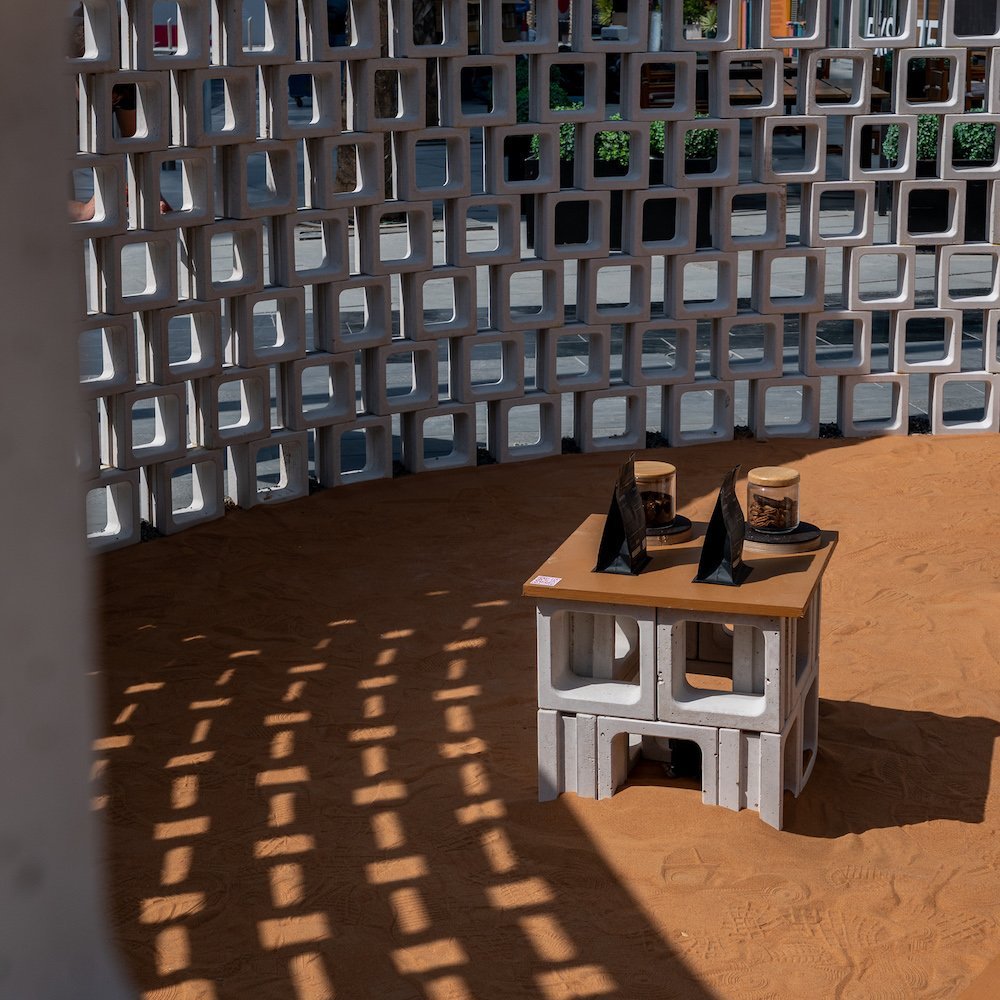
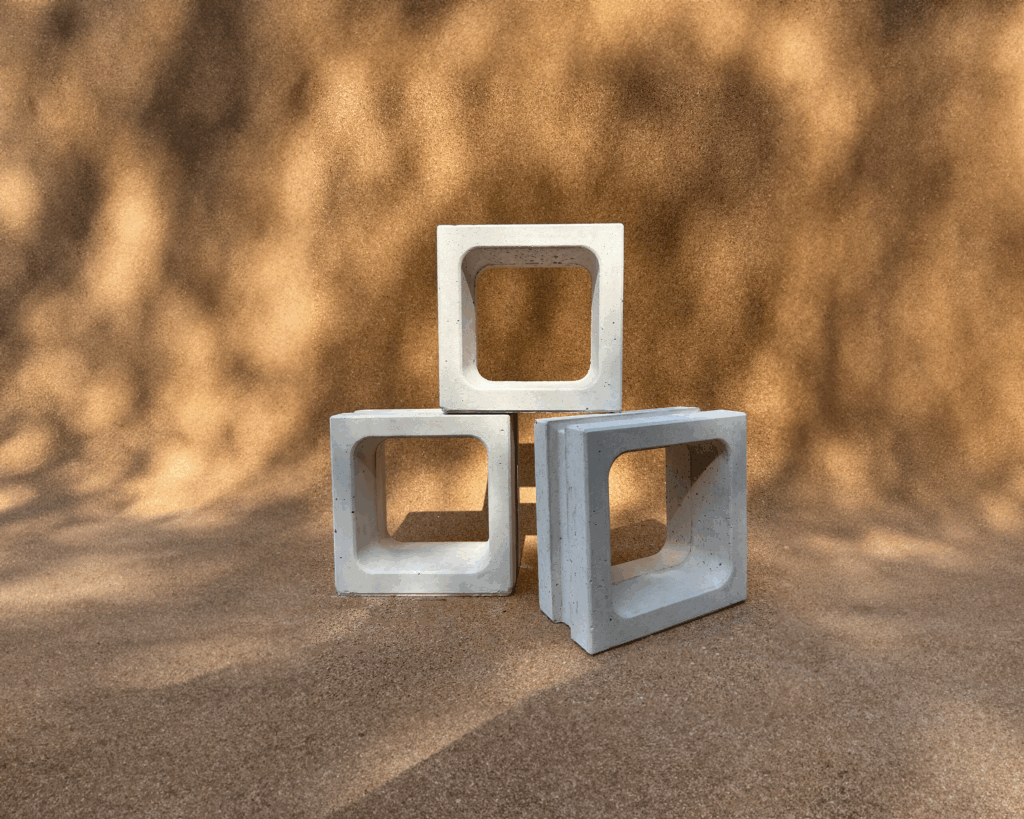
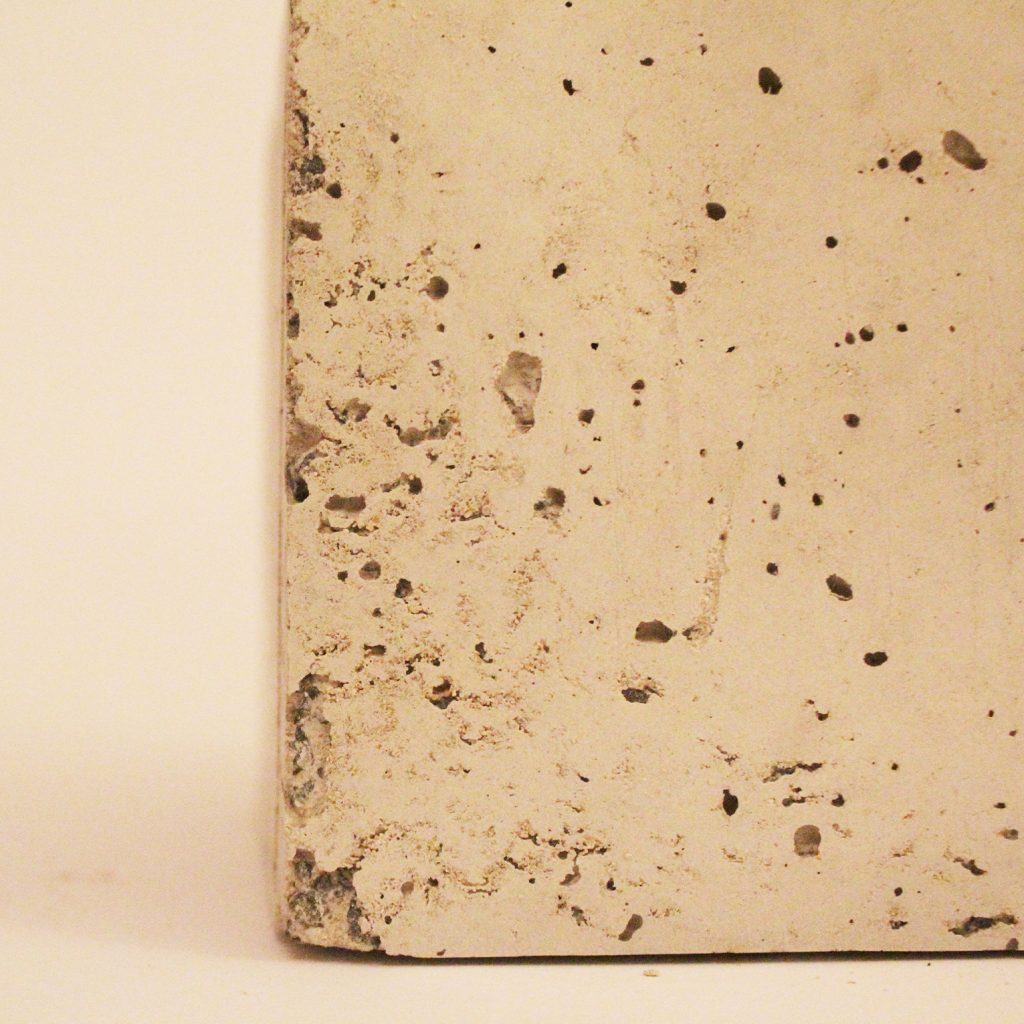
• Guidance on integrating Dateform alongside other ARDH materials such as low-carbon DuneCrete and DuneBlocks for a coherent material strategy across interiors and exteriors.
Dateform is designed to make bio-based, regionally rooted surfaces a practical choice in UAE and GCC projects, not just an image in a moodboard.